
Damaged Thread Repair
Diagnose what is actually wrong with the thread
Dirty, corroded or lightly deformed threads are not the same as stripped threads. Before cutting material away, identify whether the original profile is still present. Cleaning or chasing can preserve a usable thread that an unnecessary tap might enlarge or weaken.
Match the repair to the failure
Chasing restores an existing thread profile with minimal cutting. Re-tapping cuts material and is appropriate only when the resulting geometry remains serviceable. When load-bearing thread material has been pulled out, an insert or a manufacturer-approved alternative may be required to restore the original fastener size.
Parent material changes the risk
Aluminum is easy to cut but also easy to damage with an off-center drill or oversized repair. Steel generally tolerates controlled machining better. Cast iron can be brittle around thin bosses. Plastic often needs a different insert concept altogether. The repair method should follow the material and available wall thickness, not just the nominal bolt size.
Do not infer strength from appearance
A bolt that threads in smoothly after repair is not proof that a loaded joint has recovered its required strength. Safety-critical or highly loaded joints should follow the equipment manufacturer’s approved procedure and inspection criteria.
Use this hub to choose the next operation
The guides below cover internal and external thread damage, cross-threading, aluminum, steel, cast iron and plastic repairs, re-tapping decisions, chasing and the point at which an insert becomes the more appropriate option.
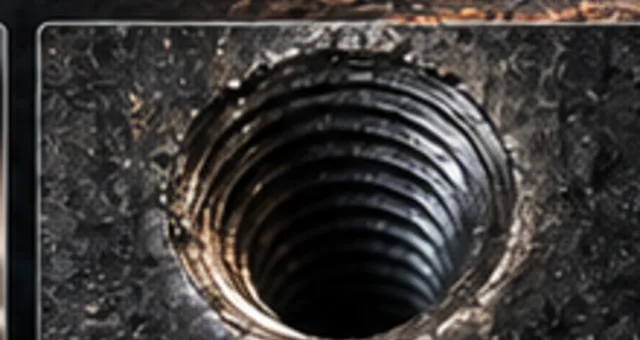 Damaged Threads

Guides in this hub
Focused answers, decision guides and reference pages.
Thread Chaser vs Tap: Which One Should You Use?
When to use a thread chaser, when to use a cutting tap, and why neither repairs missing thread material.
Read guide →Can Stripped Threads Be Re-Tapped?
What re-tapping can and cannot fix when threads are stripped.
Read guide →When Damaged Threads Need an Insert Instead of a Tap
How to recognize when a damaged thread needs an insert instead of another pass with a tap.
Read guide →How to Tell Whether Threads Are Stripped or Just Dirty
How to tell whether a difficult threaded hole is stripped, dirty or merely deformed.
Read guide →Why Threads Strip in Aluminum
Why aluminum threads strip more readily than steel fasteners and how to reduce the risk.
Read guide →Can Damaged Threads Still Hold Full Torque?
Why a damaged thread should not automatically be trusted at the original torque value.
Read guide →How to Repair Damaged External Threads
How to restore damaged external threads on bolts, studs and shafts without unnecessarily reducing thread diameter.
Read guide →How to Clean Dirty or Contaminated Threads
How to clean dirty, rusty or contaminated threads before deciding whether they actually need repair.
Read guide →How to Repair Stripped Threads in Aluminum
How to distinguish light thread damage from stripped aluminum and choose between chasing, re-tapping and inserts.
Read guide →How to Repair Stripped Threads in Steel
A conservative decision path for restoring stripped internal threads in steel without removing more material than necessary.
Read guide →How to Repair Stripped Threads in Cast Iron
How to evaluate and repair stripped threads in cast iron while minimizing chipping and preserving the original hole location.
Read guide →How to Repair Stripped Threads in Plastic
Practical options for stripped threads in plastic, from larger screws to inserts, without overheating or splitting the part.
Read guide →How to Repair Partially Damaged Threads
How to restore partially damaged threads without automatically reaching for a cutting tap.
Read guide →How to Fix a Cross-Threaded Bolt
How to deal with a cross-threaded bolt before forcing it deeper and damaging both male and female threads.
Read guide →How to Repair a Cross-Threaded Bolt Hole
A repair path for a cross-threaded bolt hole, from cleaning and chasing to inserts when the original thread has been cut away.
Read guide →How to Repair Damaged Internal Threads
How to diagnose and repair damaged internal threads using cleaning, chasing, re-tapping or inserts as appropriate.
Read guide →