
Fastener & Thread Identification
Measure the fastener before choosing a replacement or repair
Fastener identification depends on more than the wrench that fits the head. Nominal thread diameter, pitch or threads per inch, thread system, length, head style and sometimes strength grade all matter. A near match can start by hand and still damage both components after a few turns.
Use the right measurement for the feature
Measure an external thread across the crests with a caliper and keep the jaws square to the fastener axis. Use a thread-pitch gauge when possible. For metric threads, pitch is the distance between adjacent thread crests. Unified inch threads are commonly described by threads per inch. Head or wrench size is a separate dimension.
Do not force a close match
Some metric and inch diameters are numerically close. Similar diameter does not make thread forms interchangeable. If a fastener does not run in freely by hand, stop and confirm the specification rather than using a wrench to prove the match.
Identification becomes critical before machining
Exact diameter and pitch matter before tapping, drilling for an insert or ordering a replacement for a loaded joint. If the original thread is too damaged to measure, use an undamaged mating fastener, drawing, service information or gauge.
Use this hub with the measurement tools
The guides below explain diameter, pitch, metric vs SAE/Unified systems, UNC vs UNF, coarse vs fine threads, blind holes and practical ways to identify an unknown fastener.
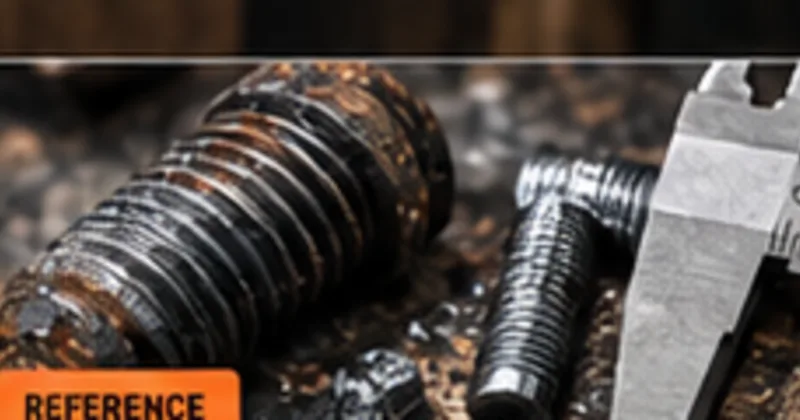 Identify Fasteners

Guides in this hub
Focused answers, decision guides and reference pages.
How to Measure Thread Pitch Without a Thread Gauge
How to Measure Thread Pitch Without a Thread Gauge. Practical FastenerBench guidance on diagnosis, least-destructive repair options, tools, risks and when.
Read guide →How to Determine Bolt Size From a Threaded Hole
How to Determine Bolt Size From a Threaded Hole. Practical FastenerBench guidance on diagnosis, least-destructive repair options, tools, risks and when to.
Read guide →How to Measure Bolt Diameter Correctly
How to Measure Bolt Diameter Correctly.
Read guide →How to Measure Thread Pitch
How to Measure Thread Pitch.
Read guide →How to Identify Metric vs SAE Threads
How to Identify Metric vs SAE Threads.
Read guide →How to Identify an Unknown Bolt or Screw
How to Identify an Unknown Bolt or Screw.
Read guide →UNC vs UNF Threads Explained
UNC vs UNF Threads Explained.
Read guide →Coarse vs Fine Threads: What’s the Difference?
Coarse vs Fine Threads.
Read guide →Internal vs External Threads Explained
Internal vs External Threads Explained.
Read guide →Blind Hole vs Through Hole: Why It Matters for Tapping
Blind Hole vs Through Hole.
Read guide →