
Fastener Thread & Repair Reference
A practical reference library for fastener repair
The FastenerBench reference section explains the terms and method differences that appear throughout the repair guides. It is designed for quick decisions at the bench: what a thread chaser does differently from a tap, why coarse and fine threads behave differently, what blind-hole geometry changes, and when a repair insert changes the preparation sequence.
Reference information should reduce mistakes
Many fastener failures begin before extraction or repair: the wrong driver, an assumed thread size, an incorrect tap drill, a mismatched insert system or added lubrication under a dry torque specification. Clear definitions make those mistakes easier to avoid.
Cross-check dimensions that matter
When a dimension controls machining, thread engagement or a safety-critical joint, verify the exact standard, drawing, fastener or manufacturer chart. FastenerBench reference pages are written to explain the decision, not to encourage blind use of a generic number.
Use this hub as the technical backbone
The pages below cover tap types, thread chasers, cutting vs forming, anti-seize vs threadlocker, extractor types, drill-bit direction and a consolidated comparison of thread-repair methods.
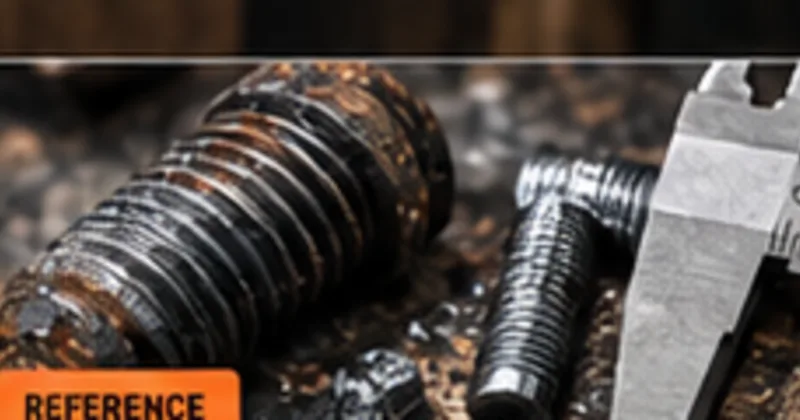 Reference

Guides in this hub
Focused answers, decision guides and reference pages.
Taper Tap vs Plug Tap vs Bottoming Tap
Taper Tap vs Plug Tap vs Bottoming Tap.
Read guide →Cutting Taps vs Forming Taps
Cutting Taps vs Forming Taps.
Read guide →Anti-Seize vs Threadlocker
Anti-Seize vs Threadlocker.
Read guide →Bolt Extractor vs Screw Extractor
Bolt Extractor vs Screw Extractor.
Read guide →Left-Hand vs Standard Drill Bits for Fastener Removal
Left-Hand vs Standard Drill Bits for Fastener Removal. Practical FastenerBench guidance on diagnosis, least-destructive repair options, tools, risks and wh.
Read guide →Penetrating Oil vs Lubricating Oil
Penetrating Oil vs Lubricating Oil.
Read guide →Thread Repair Methods Compared: Chase, Re-Tap, Insert or Replace
Thread Repair Methods Compared.
Read guide →